Interior Renovation Dubai: What Homeowners Should Know Before Tearing Down a Single Wall


A friend of mine once spent a whole weekend choosing a shade of grey for her living room. She compared swatches in morning light, evening light, and under the warm bulbs she already owned. Then the contractor opened the wall behind her kitchen and found a moisture problem nobody had spotted. The grey stopped mattering. Suddenly the project was about pipes, plaster, and patience.
That’s the honest side of interior renovation Dubai. It’s exciting and visual, but it’s also technical and full of surprises. The villa in Arabian Ranches, the apartment in Dubai Marina, the townhouse in Dubai Hills: each one behaves differently once you start changing it.
This guide walks through what a renovation really involves in the UAE’s climate and housing mix. You’ll see how to think about layout, materials, timing, and the people you hire. You’ll also learn which mistakes catch homeowners out most often. Read it once before you hire anyone, then again before you sign off on a design.
Why Interior Renovation Matters More Here Than You Might Think
Homes in Dubai live under constant pressure. Summer heat is intense. Humidity climbs near the coast. Air conditioning runs for most of the year, and fine dust finds its way into everything. Interiors take a beating that homes in milder places never face.
On top of that, Dubai’s housing market is full of properties built in waves. Some homes still carry their original layouts, finishes, and fittings from years ago. Others are newer but come with standardized, developer-grade finishes that don’t suit how people actually live. Many owners buy a place, move in, and realize within a month that the kitchen is too closed off, the bathrooms feel dated, or the storage doesn’t work.
Renovation fixes those mismatches. It can also:
Improve comfort, since better insulation, lighting, and airflow change how a home feels day to day
Update aging systems like wiring, plumbing fixtures, and ventilation
Open up space that was poorly divided
Reflect your taste instead of a developer’s default
Make a property more appealing if you plan to rent or sell later
Dubai’s population is also very international. Families arrive with different expectations about kitchens, majlis spaces, home offices, and outdoor connections. A standard layout rarely fits all of them, so people adapt their homes, and that is where good renovation work earns its place.
What Does Interior Renovation Actually Mean?
Let’s keep this simple, because the term gets blurred all the time.
Interior renovation is the process of upgrading, repairing, or reconfiguring the inside of an existing property. That can include changing layouts, replacing flooring, updating kitchens and bathrooms, redoing ceilings and lighting, repainting, installing new joinery, and improving finishes throughout.
It differs from two related things:
Redecorating changes the look only. Think paint, curtains, furniture, and accessories.
Fit-out usually describes finishing an empty shell, often in a commercial space.
A renovation sits in the middle. You’re working with something that already exists, and you’re deciding what to keep, what to change, and what to remove entirely. Some projects touch one room. Others strip an entire villa down to its bones. Both count.
Dubai-Specific Challenges You Shouldn’t Ignore
Every city has quirks. Dubai has several that directly shape renovation decisions.
Heat and humidity
Materials expand, contract, and absorb moisture differently depending on conditions. Solid timber floors, for example, can behave unpredictably in a home where air conditioning cycles on and off or where humidity swings. Many local designers lean toward engineered wood, porcelain, or stone-look tiles for exactly this reason. They hold up better.
Dust and sand
Fine dust settles on everything. Open shelving in a living room might look gorgeous in a photograph, but it will need constant wiping. Closed storage, smooth surfaces, and finishes that clean easily make a real difference in daily life.
Cooling demands
Air conditioning shapes interiors more than most people realize. Ceiling design, vent placement, and furniture layout all affect how evenly a room cools. If you box in a ceiling with a dramatic design but ignore airflow, you’ll feel it every July.
Sunlight
Glass, balconies, and large windows are common in Dubai buildings. They bring beautiful views, but they also bring glare and heat. Window treatments, fabric choices, and furniture placement matter, because strong sun fades some materials surprisingly fast.
Building access and logistics
Apartment towers have their own logistics. Moving materials through lifts, scheduling deliveries, and working around neighbors all take coordination. Villas are more flexible, but they come with larger scope and more systems to manage.
Common Types of Interior Renovation in Dubai
Not every project looks alike. Here’s how the main categories usually break down.
Apartment renovation
Apartments in places like Downtown Dubai, JLT, Business Bay, and Dubai Marina often have compact footprints. The goal is typically to make the space feel larger, brighter, and better organized. Popular moves include opening up a kitchen toward the living area, building custom storage into awkward corners, and replacing builder-grade flooring with something more refined.
Villa renovation
Villas offer more freedom. Families commonly rework ground-floor layouts, update kitchens, redesign staircases, and refresh bedrooms. Some owners add a separate dirty kitchen, a home cinema, or a proper office. Because villas have more rooms and more systems, they benefit most from careful sequencing.
Kitchen and bathroom renovation
These two rooms get the most attention, and for good reason. They combine plumbing, electrical work, ventilation, waterproofing, and cabinetry in tight spaces. They’re also the rooms people use every single day, so mistakes show up fast.
Full-home renovation
This involves refreshing nearly every surface and often changing the layout. It needs the most coordination, and it’s where a clear sequence of work protects both the schedule and your sanity.
Partial or room-by-room renovation
Some homeowners prefer to upgrade gradually, especially if they’re living in the property. It’s manageable, but dust and noise will still travel, so protect furniture and set expectations with your family.
The Renovation Process, Step by Step
Understanding the order of work helps you ask better questions. While every project differs, most follow a similar path.
1. Define what you actually need. Write down the problems you want to solve. “The kitchen feels cramped” is a better starting point than “I want a modern kitchen.” Problems guide good design. Trends don’t.
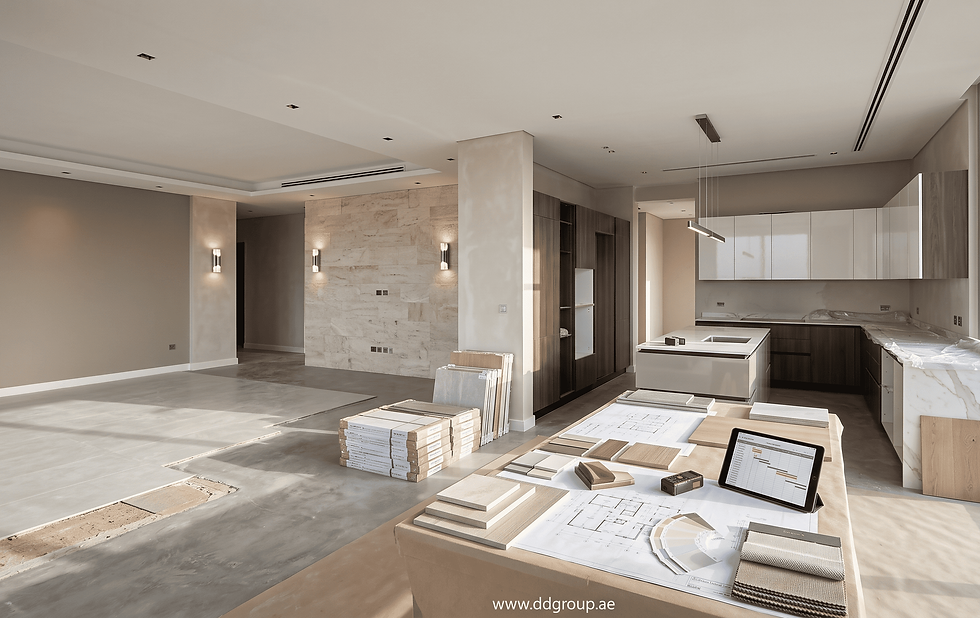
2. Inspect the property. Before designing anything, look at what’s behind the surfaces. Check for moisture, old wiring, aging pipes, and uneven floors. This is the step my friend skipped, and it’s the one that saves the most heartache.
3. Develop the design. A designer or contractor should translate your needs into layouts, material selections, and visuals. Look for drawings or 3D renderings you can react to. It’s far easier to change a line on a screen than a wall in your home.
4. Choose materials and finishes. Visit showrooms. Touch samples. See them in your own light. A tile that looks warm in a store can look cold in a north-facing room.
5. Prepare the site. Protect common areas, cover floors, and cordon off work zones. In apartment buildings, this also means coordinating with building management on access.
6. Handle demolition and structural changes. Removing walls, floors, and old fittings comes first. It’s loud, messy, and fast.
7. Complete the technical work. Plumbing, electrical, air conditioning adjustments, and waterproofing happen next, before anything gets closed up.
8. Install the finishes. Ceilings, flooring, tiling, joinery, painting, and lighting follow. This is when the space begins to look like your design.
9. Do the final touches and inspection. Walk through every room with a checklist. Test switches, taps, doors, and drawers. Note anything that needs correction.
10. Clean and handover. A good team returns your home in a state you can live in, not a construction zone with a fresh coat of paint on top.
Choosing Materials That Suit the UAE Climate
This is where experience separates a good result from a regrettable one.
Flooring. Porcelain is popular because it resists heat, wear, and stains. Large-format tiles reduce grout lines, which makes cleaning easier and helps rooms look larger. Natural stone looks beautiful but needs proper sealing and maintenance. Engineered wood gives you warmth underfoot with better stability than solid wood.
Walls. Moisture-resistant paints are worth considering in bathrooms, laundry areas, and homes near the coast. Textured finishes and wall panels add depth, but they should be easy to wipe down.
Joinery and cabinetry. Humidity can swell poor-quality boards. Ask what core materials and edge treatments your joiner uses, especially in kitchens and bathrooms. Hardware matters too. Soft-close hinges and quality drawer runners separate a cabinet that lasts from one that sags.
Countertops. Quartz, solid surface, and natural stone each have strengths. Quartz is low-maintenance. Natural stone has character but needs care. Think about how you cook and how much wear the surface will take.
Lighting. Layered lighting changes everything. Combine ambient, task, and accent lighting rather than relying on a single row of spotlights. Warm tones in living areas and brighter, neutral tones in kitchens and workspaces tend to feel right.
Windows and treatments. Layered curtains, blinds, or sheers help manage glare and heat. They also soften echo in rooms with hard surfaces, which is common in modern, minimalist interiors.
Design Directions Popular Across Dubai Homes
Dubai doesn’t have just one look. That’s part of its charm. A few styles come up often:
Contemporary minimal. Clean lines, neutral palettes, and hidden storage.
Modern luxury. Statement lighting, marble-look surfaces, and rich textures.
Arabic-inspired modern. Geometric patterns, warm metallics, carved screens, and generous hospitality spaces.
Scandinavian-influenced. Light woods, soft tones, and uncluttered rooms.
Warm organic. Natural textures, earthy colors, and handcrafted details.
A word of caution. Copying a showroom or social media photo doesn’t guarantee it will suit your home. Light, proportions, and how you live all matter. Borrow ideas, then adapt them.
Expert Insights: What Experienced Professionals Pay Attention To
After watching enough projects unfold, patterns emerge. Here’s what seasoned professionals tend to focus on, even when clients don’t ask.
The invisible work decides the visible result. Waterproofing, leveling, and wiring rarely appear in a mood board. Yet when they’re done poorly, tiles crack, paint bubbles, and lights flicker. A beautiful finish only lasts when what’s under it is solid.
Layout beats decoration. A well-planned layout with modest finishes will feel better than a poorly arranged room full of expensive materials. Before you obsess over countertops, check how people will move through the space.
Storage is usually underestimated. Almost every household wishes for more of it. Build it into the design early. Bench seating with drawers, full-height wardrobes, and entryway cabinets pay off every day.
Decisions made late cause delays. Changing a tile or moving a socket after work has started creates ripple effects. Settle the details before construction begins.
Communication keeps projects healthy. Even skilled teams make wrong assumptions if the brief is vague. Clear drawings, written confirmations, and regular check-ins prevent most disputes.
Common Interior Renovation Mistakes in Dubai
These show up again and again. Knowing them in advance gives you a real head start.
1. Starting with finishes instead of problems
Picking tiles and paint colors first leads to pretty rooms that don’t work. Start with function, then layer on style.
2. Skipping a proper site inspection
Hidden issues surface eventually. It’s better to find them before you’ve ordered materials.
3. Underestimating the timeline
Deliveries, custom joinery, and coordination all take time. Rushing creates errors. Build in breathing room, especially if you’re working toward a move-in date or a family event.
4. Ignoring the air conditioning
Moving walls or adding bulkheads without considering airflow can leave rooms uncomfortable. Involve someone who understands cooling and ventilation early.
5. Choosing materials only for looks
A gorgeous finish that stains easily or warps in humidity becomes a daily annoyance. Ask how each material ages.
6. Hiring on the basis of a quick conversation
A confident talker isn’t always a careful builder. Review past work, ask how they manage sites, and speak to their previous clients where possible.
7. Leaving lighting for last
Lighting layouts should be decided before ceilings are finished. Adding fixtures later often means cutting into new work.
8. Forgetting about maintenance
Think about who will clean those glossy cabinets or that textured wall. Beauty that demands constant effort loses its appeal quickly.
9. Not documenting agreements
Verbal promises fade. Written scope, drawings, and material lists protect everyone involved.
Best Practices for a Smoother Renovation
Here’s what tends to separate calm projects from stressful ones.
Write a clear brief. Include how many people live in the home, what you use each room for, and what frustrates you now.
Gather references, but explain why you like them. “I love the warmth of this room” tells a designer more than a saved picture does.
Ask for visuals. Renderings and material boards help you spot problems early.
Review samples in your own space. Bring them home and look at them morning and night.
Keep one point of contact. Having a single coordinator avoids mixed messages.
Walk the site regularly. You don’t need to hover, but stay informed.
Be decisive but not hurried. Take time to think, then commit.
Keep a small reserve of flexibility. Something unexpected usually appears. Having room to respond makes it manageable.
Practical Tips for Homeowners
A few smaller points that rarely make it into brochures:
Photograph everything before work starts. It documents the original condition and helps if questions arise later.
Think about where you’ll live. If the renovation is large, consider whether staying in the home is realistic. Dust and noise accumulate.
Protect valuables and furniture. Cover or relocate items in advance.
Label your decisions. Keep a shared document with finishes, colors, brand names, and room details. Future repairs become much easier.
Test before you approve. Open every drawer, flush every toilet, flip every switch. Do it slowly.
Keep spare materials. Extra tiles, paint, and handles are useful if something needs replacing later.
Plan furniture and curtains in parallel. They affect socket positions, lighting, and wall layouts.
Choosing the Right Renovation Partner
Who you work with shapes everything. A strong partner doesn’t just execute drawings. They question assumptions, spot risks, and suggest better ways of doing things. When you’re comparing teams, pay attention to how they listen, how clearly they explain technical points, and whether their past projects show range and consistency.
If you’d like to see how an experienced team presents its approach to design and delivery, is one place to explore real-world examples and get a feel for how a project can be structured. Whoever you choose, trust your instincts about communication. Good chemistry often predicts a good outcome.
Frequently Asked Questions
1. What is interior renovation in Dubai?
Interior renovation in Dubai means upgrading or reconfiguring the inside of an existing home or property. It can include new layouts, flooring, kitchens, bathrooms, ceilings, lighting, joinery, and finishes, designed to suit local climate and lifestyle needs.
2. How long does an interior renovation usually take?
It depends on size and complexity. A single bathroom can move quickly, while a full villa renovation takes considerably longer. Custom joinery, material deliveries, and design changes affect the timeline, so settling decisions early helps.
3. Can I stay in my home during renovation?
Sometimes, yes. Small projects such as a single room are often manageable. For large or whole-home work, dust, noise, and limited access to kitchens and bathrooms make temporary relocation more comfortable.
4. What’s the best flooring for Dubai homes?
Porcelain tiles are a popular choice because they handle heat, foot traffic, and cleaning well. Engineered wood and sealed natural stone are also common, depending on the look you want and how much maintenance you’re comfortable with.
5. Which rooms should I renovate first?
Start with the spaces that affect your daily life most, usually the kitchen and bathrooms. These rooms involve the most technical work, so tackling them early helps you coordinate other changes around them.
6. How do I avoid delays during a renovation project?
Finalize the design, materials, and layouts before work begins. Avoid mid-project changes, confirm deliveries in advance, and keep a single point of contact. Clear communication prevents most common delays.
7. Do I need a designer for interior renovation in Dubai?
It isn’t always required, but a designer helps you avoid costly misjudgments in layout, lighting, and material selection. For larger projects especially, professional guidance often leads to a more cohesive and practical result.
8. How can I make a small apartment feel bigger after renovation?
Use light colors, large-format flooring, built-in storage, and layered lighting. Opening up partitions where possible, and choosing furniture that fits the room’s proportions, makes a noticeable difference.
Conclusion
A good renovation isn’t about chasing trends or filling a space with expensive things. It’s about understanding how you live, how your home behaves in this climate, and how to bring the two together. Interior renovation in Dubai rewards people who prepare: those who inspect before they design, choose materials for the environment, document their decisions, and work with people who communicate clearly.
Take your time with the early stages. Ask questions, even the ones that feel obvious. Test your assumptions. And when the final result arrives, you’ll have more than a refreshed room. You’ll have a home that actually works for you, day after day.


Comments