Property Renovation in Dubai: What Homeowners Actually Need to Know Before They Start

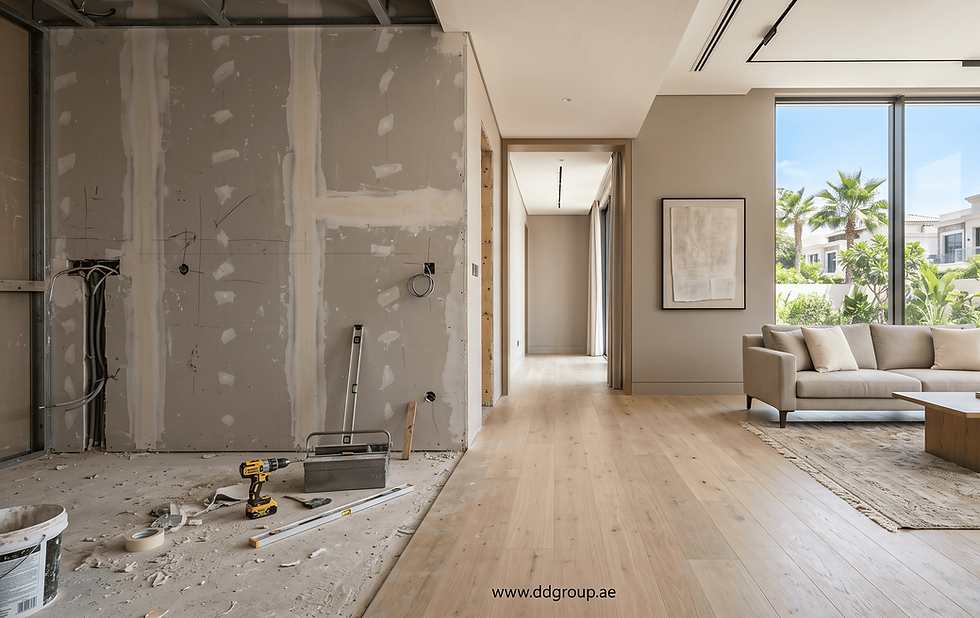
A friend of mine moved into a villa in Al Barsha three years ago and swore she'd "fix it up eventually." Eventually turned into a leaking bathroom ceiling, a kitchen that looked stuck in 2009, and an AC unit that groaned louder than it cooled. By the time she called someone in, what could've been a straightforward weekend job had become a full-blown property renovation Dubai project spanning three rooms.
That's the thing about property renovation in Dubai it rarely stays small. Between the heat, the humidity, the sand, and the sheer pace at which buildings age here compared to cooler climates, small maintenance issues snowball fast. And because so many residents are either renting out units, flipping villas, or just trying to make a space livable again after years of wear, renovation isn't a luxury project anymore. It's become a fairly routine part of owning property in this city.
This guide walks through what a renovation actually involves here, the mistakes people keep making, and how to plan one without losing your mind — or your weekends — in the process.
Why Renovation Looks Different in Dubai Than Almost Anywhere Else
Dubai's climate is brutal on buildings. Summer temperatures regularly cross 45°C, and that kind of heat doesn't just make you uncomfortable — it degrades materials. Paint fades and peels faster. Wooden fixtures warp. Sealants crack. Even high-end fittings show wear years before they would in a temperate country.
Then there's the humidity, especially in coastal communities like JBR or Dubai Marina, which quietly works away at grout, wall finishes, and anything metal that isn't properly treated. Add sandstorms into the mix, and you've got a city where "cosmetic wear" becomes structural neglect if it's ignored too long.
This is why a property renovation in Dubai isn't just about aesthetics. It's about maintenance, climate resilience, and increasingly resale or rental value. A tired-looking apartment doesn't just look bad; it rents for less and sells slower. Investors here know this better than anyone.
The Core Types of Renovation Projects
Not every renovation is the same scope, and understanding which category your project falls into helps you plan realistically.
Cosmetic renovation covers paint, flooring, lighting, and fixture upgrades. It's the fastest and least disruptive, usually wrapping up in one to three weeks depending on the size of the unit.
Kitchen and bathroom renovation tends to be the most requested type across Dubai villas and apartments, largely because these are the rooms that age fastest and matter most to buyers and tenants. Plumbing, cabinetry, and waterproofing all come into play here.
Full villa or apartment renovation involves structural changes, electrical rewiring, layout modifications, and sometimes even extensions. This is the category where permits, structural assessments, and longer timelines genuinely matter.
Commercial fit-out and renovation is its own world entirely offices, retail spaces, and F&B units in Dubai often need renovation not because they're worn out, but because a brand refresh or a change in tenant demands a completely different layout.
Knowing which bucket you're in changes everything your budget expectations, your timeline, and who you should even be talking to about the job.
What Experienced Renovators Wish Homeowners Knew Going In
I've spoken with a handful of contractors and interior specialists who've worked across Dubai's residential market for years, and a few things come up again and again.
First: most renovation delays aren't caused by labor — they're caused by indecision. Homeowners who haven't finalized their material choices, color palettes, or layout before work starts end up pausing projects mid-way, and every pause costs time and money. The smart move is to lock in your design decisions before the first wall gets touched.
Second: older buildings hide surprises. Villas built more than a decade ago often have outdated wiring or plumbing that doesn't meet current standards for load capacity. What looks like a simple kitchen upgrade can turn into an electrical overhaul once contractors open the walls. This isn't a scare tactic it's just how older infrastructure behaves once you start poking at it.
Third: AC and insulation upgrades pay for themselves. In a climate like this, a renovation that ignores insulation or cooling efficiency is missing the point. Several contractors mentioned that clients who invest in better insulation during renovation see noticeably lower cooling costs afterward not because it's trendy, but because it's just physics in a hot climate.
Best Practices That Actually Make a Difference
A well-run renovation has a rhythm to it assessment, design, approvals, execution, and finishing. Skipping steps to save time almost always backfires.
Start with a clear scope document. Even a simple written outline of what rooms are involved, what's being changed, and what the end goal looks like prevents miscommunication later. Verbal agreements are where most disputes begin.
Get a proper site inspection before signing anything. This tells you what you're actually working with hidden dampness, old wiring, structural quirks before it becomes a mid-project surprise.
Sequence the work logically. Structural and plumbing work always comes before electrical, and electrical always comes before finishing touches like paint and flooring. Doing this out of order means redoing work, which nobody wants.
Think about ventilation and airflow early, not as an afterthought. In Dubai's climate, poor airflow leads to mold and musty smells within months, especially in bathrooms and kitchens.
And if you're renovating a rental property, think like a tenant, not just a homeowner. Durable, low-maintenance finishes matter more than trend-driven choices that'll look dated in two years.
If you're weighing up who to bring in for the actual execution, it helps to look at teams that specialize specifically in rather than general contractors juggling ten different types of projects at once specialization tends to show in the details, particularly around climate-specific finishing choices that generalist teams sometimes miss.
Frequently Asked Questions
How long does a typical property renovation take in Dubai?
A cosmetic refresh paint, flooring, minor fixture changes usually takes one to three weeks. Kitchen or bathroom renovations run four to six weeks depending on plumbing complexity. Full villa renovations involving structural or electrical work can take two to four months.
Do I need to move out during a renovation?
It depends on scope. Cosmetic work often allows you to stay, though it's noisy and dusty. Kitchen, bathroom, or structural renovations usually require at least partial relocation for safety and practicality, especially if water or electricity gets shut off during work.
What's the most common reason renovation budgets go over plan?
Hidden issues uncovered mid-project outdated wiring, water damage behind walls, or plumbing that doesn't match current layouts are the most frequent cause. A thorough site inspection before starting reduces this risk significantly.
Is it better to renovate room by room or all at once?
It depends on your living situation and budget flow. Renovating all at once is more disruptive short-term but avoids repeated setup and teardown costs. Room-by-room works better for occupied homes or tighter budgets, but tends to stretch the overall timeline.
What materials hold up best against Dubai's climate?
Porcelain tiles, treated hardwood alternatives, moisture-resistant paints, and UV-stable outdoor materials tend to perform far better than standard options. Anything prone to warping under heat or humidity certain natural woods and fabrics needs extra consideration before use.
Can I renovate a rented apartment in Dubai?
Tenants typically need written approval from the landlord or property management before making any structural or fixture changes. Cosmetic changes like repainting may still require sign-off depending on the tenancy agreement, so it's worth checking the lease terms directly.
How do I know if my building has renovation restrictions?
Most residential towers and gated communities have building management or homeowners' associations that set rules around working hours, noise, and material transport through common areas. It's worth checking with your building management office before scheduling any work.
Final Thoughts
Renovating a property in Dubai isn't just about giving a space a facelift it's about adapting a home or unit to survive one of the harshest climates a building can face while still functioning as a place people actually want to live in. The homeowners who get the best results aren't necessarily the ones who spend the most; they're the ones who plan carefully, ask the right questions upfront, and choose finishes suited to where they actually live, not just what looks good in a catalog.
Whether you're refreshing a single kitchen or taking on a full villa overhaul, treating property renovation in Dubai as a process not a rush job is what separates a renovation that lasts from one you'll be redoing again in three years.


Comments