Villa Contractors in Dubai: How to Choose the Right Team for Your Home

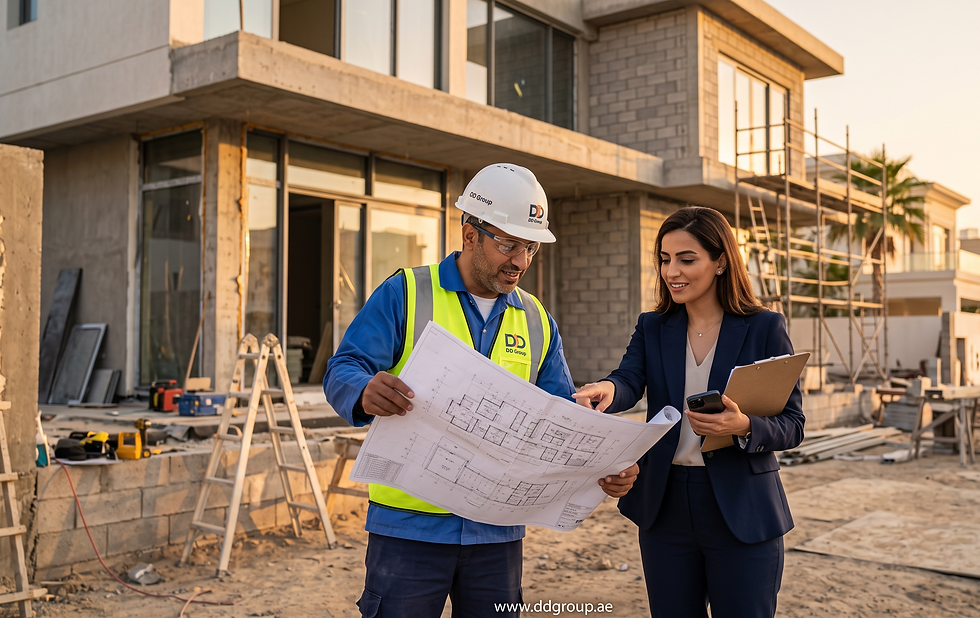
A friend of mine spent eight months waiting on a villa extension in Al Barsha that was supposed to take twelve weeks. The walls went up fine. It was everything after that—the electrical routing, the AC ducting, the little details nobody thinks about until they're missing—that turned into a slow-motion headache. She didn't pick a bad contractor because she was careless. She picked one because she didn't know what questions to ask. It's one of the reasons why choosing experienced villa contractors in Dubai is so important, as the right team can help coordinate every stage of the project and reduce the risk of costly delays and overlooked details.
That's the real story behind most villa projects that go sideways in this city. It's rarely about budget. It's about mismatched expectations between homeowner and contractor, set months before a single brick moves.
Dubai has no shortage of construction firms chasing villa work. Scroll through any property forum or WhatsApp group for UAE homeowners and you'll find the same complaints on repeat: vanished contractors, half-finished snagging lists, "final" quotes that kept growing. None of this is inevitable. It's avoidable, if you understand how villa construction actually works here and what separates a contractor worth hiring from one worth skipping.
Why This Topic Actually Matters Right Now
Villa living has become the default aspiration for a huge slice of Dubai's resident population — families moving out of towers, investors converting older properties, people finally building the home they pictured years ago. Areas like Arabian Ranches, Jumeirah, Al Furjan, and the Al Barari corridor have seen a steady wave of villa renovations and new builds over the past few years.
With that demand comes a flood of contractors, some brilliant, some barely qualified to hang a door straight. The gap between the two is wide, and it's not always visible on a company website or in a glossy portfolio. Getting this decision right protects your money, your timeline, and honestly, your sanity — villa projects touch every part of daily life while they're underway.
What Does a Villa Contractor Actually Do?
A villa contractor manages the physical construction or renovation of a standalone residential property everything from structural work and MEP (mechanical, electrical, plumbing) installation to finishing, landscaping, and final handover. Unlike a general handyman or a single-trade specialist, a proper villa contractor coordinates multiple trades under one roof: architects, structural engineers, electricians, plumbers, tilers, painters, and often interior fit-out teams.
Think of them as the conductor of an orchestra where every musician has a different skill and a different opinion about tempo. Good contractors keep everyone playing the same piece. Bad ones let chaos win.
Core Considerations Before You Hire
1. Scope Clarity Beats Everything Else
The single biggest driver of cost overruns and delays isn't a dishonest contractor — it's a vague scope. If your agreement doesn't specify material grades, brand names for fixtures, wall finishes, and exact inclusions versus exclusions, you're setting yourself up for arguments later. I've seen homeowners assume "flooring included" meant premium porcelain, only to discover the contractor's baseline was standard ceramic tile.
Ask for a detailed scope document, not a one-page summary. If a contractor resists putting specifics in writing, that's worth noticing.
2. Portfolio Relevance, Not Just Portfolio Size
A contractor with beautiful photos of modern minimalist villas might not be the right fit if you want a traditional Arabic-style courtyard home. Look past the glossy images and ask specific questions:
Have they handled projects similar in scale to yours?
Do they have experience with your specific property type — G+1, G+2, or a sprawling single-story layout?
Can they walk you through a project that didn't go perfectly, and how they handled it?
That last question tells you more than any highlight reel. Contractors who've never had a hiccup are either brand new or not being honest with you.
3. Communication Style During the Sales Process
How a contractor communicates before you sign anything is a preview of how they'll communicate once you're locked in. Slow replies, vague answers, or pressure to sign quickly are all early warning signs. On the flip side, a contractor who asks thoughtful questions about your lifestyle, your family's daily routines, or how you actually use your outdoor space is paying attention in a way that usually carries through the whole project.
4. Site Visits and On-Ground Presence
Villa work is not something you manage well from a distance. A contractor's project manager or site supervisor should be physically present on-site regularly, not just checking in by phone. Ask how often they'll visit, who your direct point of contact will be, and whether that person changes mid-project (a surprisingly common and frustrating issue).
Common Mistakes Homeowners Make
Choosing based on the lowest quote alone. A quote that's dramatically lower than others usually means something's been left out — material quality, labor hours, or contingency planning. It rarely means you found a hidden gem.
Skipping the contract review. Verbal promises don't hold up when disputes happen. Every detail discussed verbally needs to land in writing, including timelines, payment milestones, and what happens if delays occur.
Not visiting past or ongoing projects. Photos can be edited. Walking through a contractor's current site tells you about their organization, safety standards, and attention to detail in ways no photo ever will.
Underestimating the design and approval phase. Homeowners often rush into construction without fully finalizing drawings, leading to mid-project changes that cascade into delays and budget creep.
Ignoring communication red flags early on. If getting a straight answer feels difficult during the proposal stage, it won't magically improve once you're contractually committed.
Best Practices for a Smoother Villa Project
Get everything in writing. Scope, materials, timelines, payment schedule — all of it.
Request a realistic timeline, not an optimistic one. Ask what could push the schedule and how the contractor typically handles those situations.
Visit the site weekly, even briefly. Consistent presence, even just a short walkthrough, keeps projects accountable.
Ask about their subcontractor relationships. Long-term relationships with trusted subcontractors usually mean smoother coordination than teams that outsource to whoever's available that week.
Keep a shared project log. A simple shared document tracking decisions, changes, and approvals prevents "I never said that" disputes later.
Homeowners who've done this before, whether renovating an older villa in Umm Suqeim or building fresh in a newer community, often say the same thing: research before signing saves far more stress than research after signing ever fixes. Reading through a few detailed breakdowns on villa renovation planning before you commit to a team can genuinely change how the whole project unfolds spotting the right questions to ask early is worth more than most people expect.
Frequently Asked Questions
How long does a typical villa renovation take in Dubai?
Timelines vary widely depending on scope, but a moderate renovation touching multiple rooms often takes several months from design approval to handover. Full structural changes or extensions typically take longer than cosmetic updates.
What's the difference between a villa contractor and an interior fit-out company?
A villa contractor typically manages the full construction scope, including structural, MEP, and exterior work. An interior fit-out company focuses specifically on interior finishing, furniture, and design execution, often working after core construction is complete.
Should I hire a separate architect or does the contractor handle design?
Many villa contractors offer design services in-house, but some homeowners prefer hiring an independent architect for unbiased design input before construction begins. Either approach can work, depending on how much creative control you want.
How do I know if a contractor is overpromising on the timeline?
Ask for a phase-by-phase breakdown of the schedule, not just a single completion date. If a contractor can't explain how they arrived at their timeline, it's likely more hope than plan.
What should be included in a villa construction contract?
A solid contract should cover detailed scope, material specifications, payment milestones tied to progress, timeline expectations, warranty terms, and a clear process for handling changes or disputes.
Can I manage part of the project myself and hire contractors for specific trades separately?
Yes, though it requires more hands-on coordination from you. Some homeowners split electrical, plumbing, and finishing work across separate specialists, but this only works well if you're prepared to manage the scheduling and communication between them.
What questions should I ask before hiring villa contractors in Dubai?
Ask about their experience with similar property types, how they handle on-site supervision, their approach to snagging and handover, and how change orders are documented and priced.
Conclusion
Finding the right villa contractors in Dubai isn't about picking whoever answers fastest or promises the shortest timeline. It's about clarity, communication, and a contractor who treats the small, unglamorous details snagging, documentation, on-site presence as seriously as the big structural milestones. Take the time upfront to ask the right questions, and the entire project runs differently. Slower to start, maybe, but far smoother from foundation to final walkthrough.
Comments