Interior Renovation in Dubai: What Homeowners Actually Need to Know Before They Start

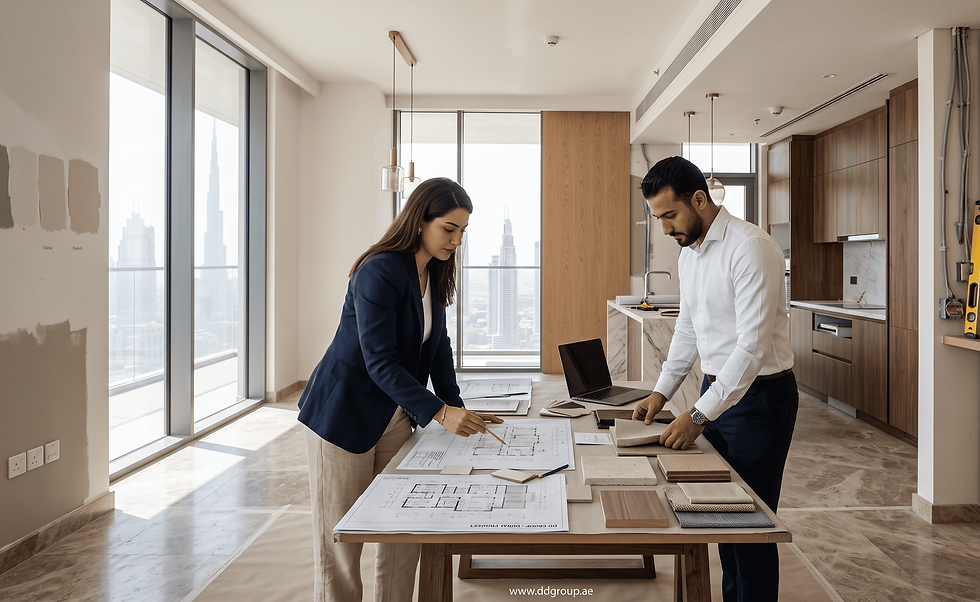
My neighbor spent three weeks living out of her kitchen because a contractor pulled up the flooring before checking what was underneath it. Old pipework, uneven subflooring, a mess nobody planned for. She's not alone talk to anyone who's gone through an interior renovation Dubai, and you'll hear some version of that story. Something unexpected shows up, timelines slip, and the project that was supposed to take six weeks stretches into three months.
That's not a Dubai problem specifically. It's a renovation problem, everywhere. But Dubai does have its own quirks the climate, the mix of building ages across communities like JBR, Downtown, and the older villas in Jumeirah, and a design culture that leans heavily on light, ventilation, and materials that can handle heat and humidity without warping or fading. Understanding those local factors before you start is what separates a smooth renovation from a stressful one.
This guide walks through what actually matters: how to plan, what typically goes wrong, and how to make decisions that hold up over time not just decisions that look good on a mood board.
Why Interior Renovation Planning Matters More Than People Think
Most people underestimate how much a renovation touches. It's rarely just "new paint and new floors." Once you open up a space, you start noticing things — outdated wiring, poor insulation, layouts that never made sense in the first place. A renovation is really an opportunity to fix all of that at once, rather than patching problems one at a time over the years.
There's also a practical side to this. Dubai apartments and villas often deal with intense sun exposure, which affects everything from paint durability to how furniture ages. A renovation done without that in mind might look fantastic on move-in day and start showing wear within a year. Good planning isn't about perfectionism — it's about not having to redo the same work twice.
Core Elements of a Successful Interior Renovation
1. Layout and Space Planning
Before any material gets chosen, the layout needs to work. This is where a lot of renovations quietly go wrong — people jump straight to finishes without asking whether the space flows the way they actually live.
Ask yourself:
Does natural light reach the rooms you spend the most time in?
Are high-traffic areas (kitchen, entryway, living room) positioned logically?
Is storage built into the plan, or added as an afterthought?
A well-planned layout makes a smaller apartment feel bigger and a large villa feel cohesive instead of sprawling.
2. Material Selection for Dubai's Climate
This is where local expertise genuinely matters. Materials that perform beautifully in cooler climates can crack, fade, or warp under Dubai's heat and humidity swings. Natural stone, for instance, needs proper sealing. Certain woods expand and contract more than people expect indoors, especially near windows with direct sun exposure.
Porcelain tiles, treated engineered wood, and UV-resistant paints tend to hold up far better long-term than their cheaper, untreated alternatives — even if the difference isn't obvious on day one.
3. Electrical and Mechanical Systems
Renovations are the best (and sometimes only) chance to upgrade wiring, air conditioning distribution, and lighting infrastructure without tearing into finished walls later. Skipping this step to save time usually means paying for it twice — once now, and again in a year or two.
4. Ventilation and Airflow
Dubai interiors rely heavily on air conditioning, but poor airflow planning creates uneven temperatures, humidity pockets, and, over time, mold in unexpected corners — especially bathrooms and kitchens. A renovation that ignores ventilation is one that'll need revisiting sooner than it should.
Expert Insight: The Order of Operations Matters
One thing experienced designers will tell you — and something DIY renovators often get wrong — is that the sequence of work matters almost as much as the work itself. Structural and electrical changes come first. Flooring and wall finishes come after. Furniture and styling come last.
Reversing that order, even slightly, tends to cause damage, rework, or both. I've seen freshly painted walls get scuffed during furniture delivery simply because the timeline got compressed to hit a moving-in date.
Common Mistakes in Interior Renovation Projects
Skipping a proper site assessment. What's behind the wall matters as much as what's in front of it.
Choosing finishes before finalizing the layout. This leads to wasted materials and awkward transitions.
Underestimating ventilation needs. Especially in wet areas like kitchens and bathrooms.
Ignoring natural light patterns. A room that looks great in a showroom photo might feel completely different at 3 PM with direct sun coming through unshaded windows.
Rushing the timeline. Renovation work done too quickly often needs revisiting within a year.
Best Practices for a Smooth Renovation
Start with a clear brief. Know what you want the space to do, not just how you want it to look.
Get a proper site inspection before finalizing plans. This avoids costly surprises mid-project.
Prioritize function in high-use rooms, then layer in aesthetics.
Choose climate-appropriate materials, even if they cost more upfront in effort or sourcing time.
Sequence the work correctly — structural, then finishes, then styling.
Build in a buffer for unexpected findings once walls or floors are opened.
If you're looking for a deeper breakdown of how professionals approach this process from start to finish, resources like walk through practical renovation workflows that are worth reviewing before you commit to a plan.
Practical Tips Before You Begin
Photograph the existing space thoroughly before demolition — it helps with planning and disputes later.
Keep a written scope of work, even for smaller projects. Verbal agreements get misremembered.
Test paint and material samples in the actual room, under actual lighting, not just in a showroom.
Plan for where you'll live or work during the renovation — displacement is often underestimated.
Frequently Asked Questions
1. How long does a typical interior renovation take?
It depends heavily on scope. A single room refresh might take a couple of weeks, while a full apartment or villa renovation touching electrical, plumbing, and layout can take several months. Structural changes always extend the timeline.
2. What's the difference between renovation and remodeling?
Renovation generally means restoring or updating an existing space — new finishes, updated systems — without changing the layout. Remodeling involves changing the structure or layout itself, like removing walls or reconfiguring rooms.
3. Do I need to move out during an interior renovation?
For minor updates, often not. For full renovations involving electrical, plumbing, or structural work, staying elsewhere is usually safer and faster, since contractors can work without navigating around daily life.
4. What should I check before starting an interior renovation in Dubai?
Start with a proper site assessment — checking existing wiring, plumbing, wall condition, and ventilation. This prevents mid-project surprises and helps set a realistic timeline and material plan.
5. Are certain materials better suited to Dubai's climate?
Yes. Materials with strong heat and humidity resistance — like treated porcelain, sealed natural stone, and UV-stable paints — tend to perform better long-term than untreated or purely decorative alternatives.
6. Can I renovate just one room, or does it need to be the whole space?
Single-room renovations are common and completely reasonable, especially for kitchens and bathrooms. Just make sure any electrical or plumbing changes are assessed in the context of the building's existing systems.
7. What causes most renovation delays?
Unforeseen structural or system issues discovered once walls or floors are opened, combined with material availability and sequencing errors, account for the majority of delays.
Conclusion
A good interior renovation in Dubai isn't about chasing trends or picking the flashiest finishes it's about understanding how a space actually gets used, planning around the climate, and sequencing the work so nothing needs to be redone. The homeowners who end up happiest with their renovations are usually the ones who slowed down at the planning stage, even if it felt tedious at the time. Get the groundwork right, and everything after that tends to fall into place.
Comments